Emergency septic help when backups will not wait
Emergency septic calls start with sewage where it does not belong: a tub filling from below, toilets that will not flush, or effluent surfacing in the yard. In HRM, those nights often arrive after heavy laundry days, spring thaw, or years without a pump-out. This page covers what to do before a truck arrives, how to tell filter clogs from field failure, and why we will not invent a guaranteed response time until after-hours capacity is verified. Phone answering is not the same as a truck on the road — we keep that distinction honest.
Triage tonight: cut water, skip chemicals
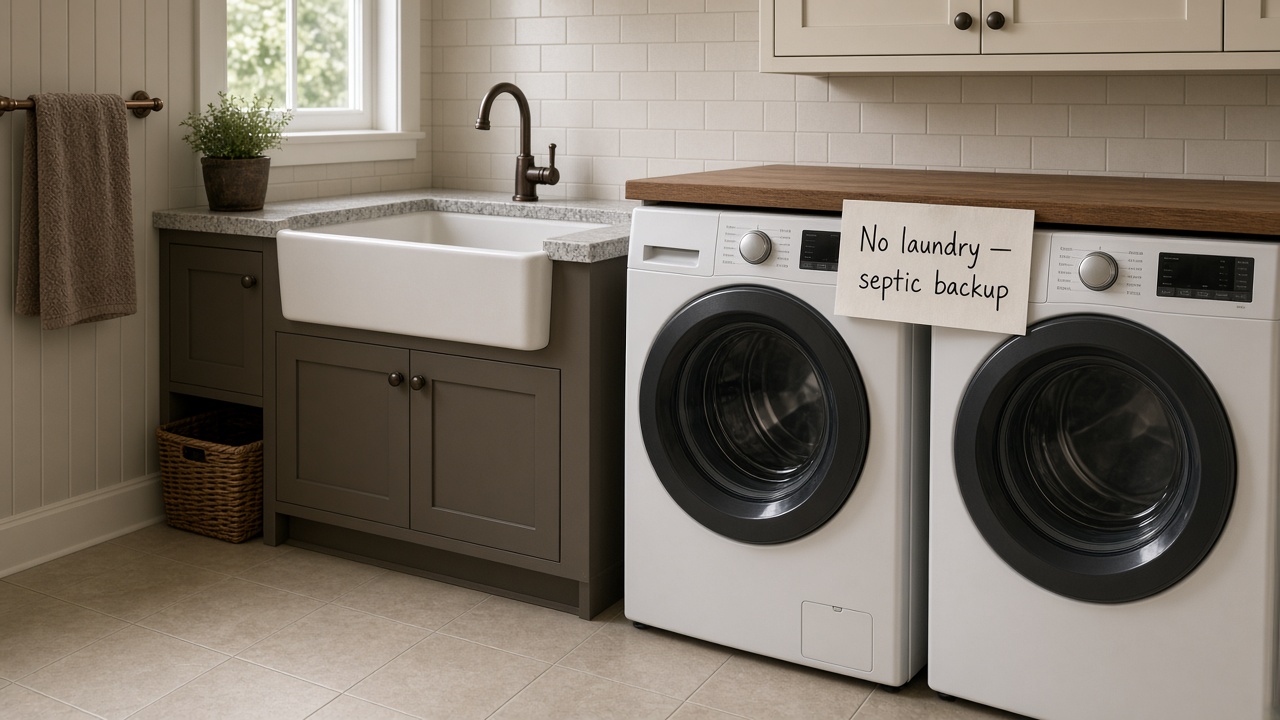
Stop laundry and the dishwasher. Take only short showers if you must. Flush sparingly. Do not pour drain openers or “miracle” additives into a backing-up system. If sewage is entering living space, contain what you can and call for urgent service. Limiting water use is the one homeowner action that reliably buys time.
Filter vs full tank vs failing field
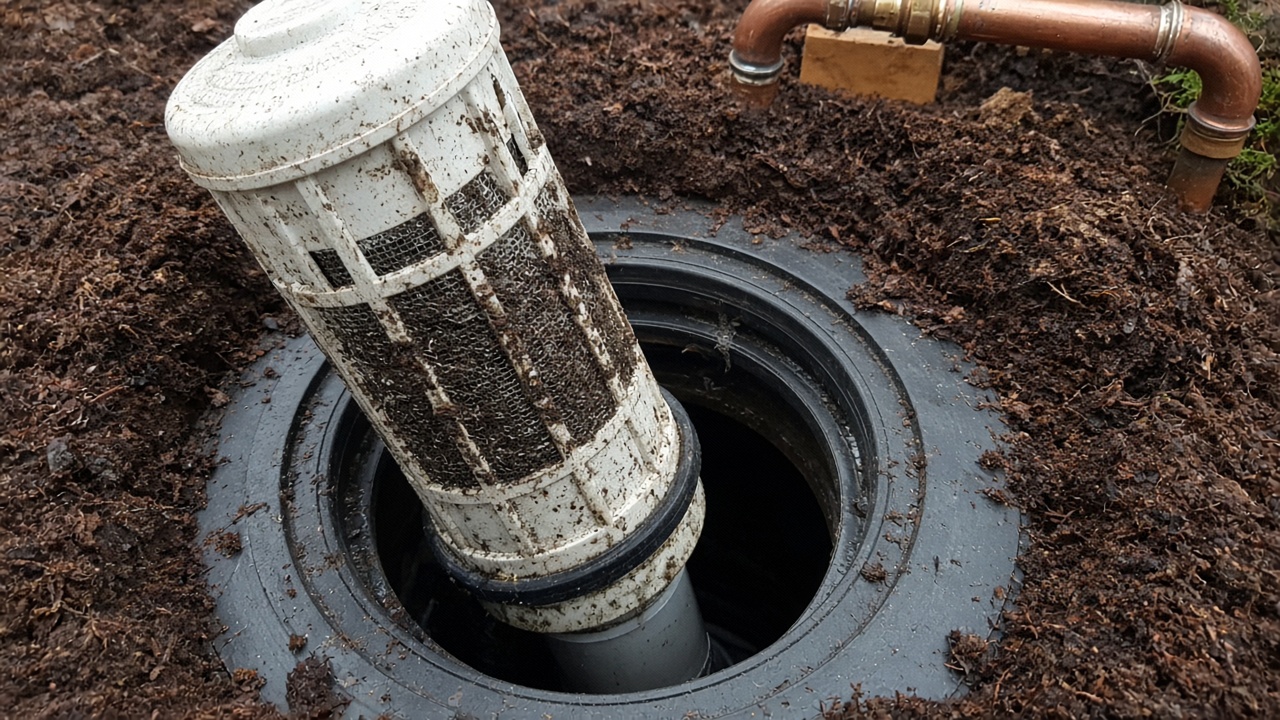
A clogged outlet filter can back the tank up even when the field is not finished. Mention filters when you call. A tank overdue for pumping may simply be full of solids. Standing water on the field alone is not always total failure; standing water plus indoor backups or surfacing sewage is a stronger failure signal. Start with tank level and filter checks before assuming a full field rebuild.
Odours: house vs yard
Odours inside drains or active indoor backups are ASAP. Outdoor-only intermittent smell without soggy fields may be less urgent but still deserves diagnosis — especially after heavy rain that highlights a struggling bed. Never enter a tank to “check” gases; they are dangerous.

Plumber or septic company?
Building drain clogs can be plumbing. Tank and field symptoms need a septic service. Some jobs need both. Grinder pumps and effluent pump alarms can leave a home without working drains until the tank is pumped and the pump is serviced — confirm whether pump repair is in-house or referred.
What we will not claim yet
Local firms advertise phone answering, next-day fits, or busy-season triage. Call (902) 999-9999 and describe symptoms; we will not publish invented minutes-on-site guarantees.
What “emergency” usually means on an HRM septic
True emergencies are indoor backups, sewage breaking out in the yard, or a dead pump that leaves a house without drains before a storm. Slow drains that have worsened for weeks are urgent but not always same-night work if you can cut water use. Knowing the difference helps you describe the call accurately and helps the dispatcher prioritize.
Holiday weekends and freeze-thaw weeks create queues. If you can stabilize with water discipline, you may still wait for the next open truck slot — but do not resume laundry day while you wait.
Step-by-step while you wait
- Stop laundry, dishwasher, and long showers.
- Flush only when necessary.
- Note whether odour is inside, outside, or both.
- Check for a high-water alarm on pump systems if present.
- Photograph wet yard areas for the technician.
- Avoid chemical drain openers and septic “shock” products.
- Call a certified septic service and describe symptoms plainly.
If sewage is in a finished basement, protect what you can and treat cleanup as a contamination issue after the flow stops. Do not hose waste into a floor drain that returns to the same failing system.
After the urgent empty
An emergency pump-out restores usability; it may not finish the diagnosis. Schedule follow-up if baffles are damaged, the filter was packed, or the field was surcharging. Convert the scare into a maintenance plan so the next interval is on a calendar. Consider risers if lids were buried under frozen soil when the truck arrived.
Ask for the disposal receipt even on night jobs. Emergencies are when cash-only shortcuts look tempting and when documentation matters most.
Pump alarms and grinders
Many HRM properties on raised beds or pumped systems have audible or visual alarms. An alarm is a reason to cut water and call — not a suggestion to silence the beeper and go to bed. Dead grinders can leave toilets unusable until the tank is pumped and the pump replaced or repaired. Ask whether pump repair is in-house or referred when you call.
Honest limits on response claims
Competitors market phone answering, fitting desperate jobs into busy days, and weekend availability. Those are real differentiators when true. Publishing “30-minute arrival anywhere in HRM” without verified capacity would be false advertising. Call (902) 999-9999, describe the situation, and get a realistic arrival window for that day. We will update public response claims only after capacity is confirmed.
Protecting finished spaces during a backup
Lift rugs and cardboard. Keep children and pets out of contaminated rooms. Use gloves if you must move items. After flow stops and the tank is pumped, clean hard surfaces with appropriate disinfectant and consider professional remediation for porous materials soaked in sewage. Do not treat a septic backup like a simple spilled glass of water.
Photograph damage for insurance conversations, but understand that lack of maintenance can affect coverage — read your policy. Prevention remains cheaper than claims.
Neighbour and environmental courtesy
Surfacing sewage is a public-health issue. Keep people off the wet area. Nova Scotia owners have duties around malfunctions and releases. An emergency empty is the start of compliance, not the end. If the field is finished, move promptly toward qualified assessment rather than repeated emergency skims that only delay the inevitable.
Planning so the next emergency is boring
After the crisis: pump on schedule, install risers if lids were buried, clean filters, and keep receipts. Add the emergency number to the fridge. If you host guests unfamiliar with septic, brief them before the holiday weekend, not after the laundry marathon.
Weather, freeze-up, and HRM timing
Thaw weeks move groundwater and fill tanks that were already near capacity. Freeze-up can lock lids under ice. Nor’easter power outages stop effluent pumps even when tanks are empty enough. Describe weather context when you call — it changes routing and equipment choices. Risers again prove their worth when the alternative is chopping frozen soil at midnight.
Communication that speeds help
Have the address, gate code, pet situation, and symptom timeline ready. Say whether toilets still flush slowly or not at all. Say whether sewage is indoors. Say when the tank was last pumped if you know. Vague “something’s wrong” calls take longer to triage. Precise calls get better dispatch decisions.
Cost context without false promises
Emergency empties can cost more than scheduled daytime pump-outs because of overtime, access, and disposal logistics. That premium is still smaller than uncontrolled sewage damage. Ask for the after-hours rate structure when you book, and confirm what is included.
When repeated emergencies mean redesign
Three backups in a year after “emergency pumps” is a pattern, not bad luck. The field may be finished, the tank undersized for occupancy, or a pump failing. Stop normalizing crisis visits. Move to inspection and, if needed, qualified redesign. Emergency pages exist to stabilize homes, not to become a subscription.
Why this page stays careful about 24/7 language
Homeowners deserve honesty on response times. We describe triage, local patterns, and a call to (902) 999-9999 without inventing arrival guarantees — especially on an emergency page that ranks for distressed searches.
If you are mid-backup tonight, cut water now and call. The rest of this page exists so the next emergency is less likely.
Keeping language local to Halifax Regional Municipality
Searchers type Halifax, HRM, Sackville, Fall River, Hammonds Plains, and Eastern Shore. The systems under those searches share Nova Scotia rules but differ in access, soils, and truck time. Good service pages name those places without thin doorway spam. If your community is on septic and inside the verified service area, say so when you call (902) 999-9999. If it is not, an honest decline beats a false yes.
Canadian spelling stays consistent: odour, favour, metre when technical documents use it, and weeping bed or disposal field for local familiarity. The goal is a page a neighbour could have written after reading the provincial guide — specific, calm, and useful before the truck arrives.
Keep this page bookmarked with your pump receipts. When the next wet week arrives, you will already know whether to cut laundry, clean a filter, or call for a truck — and you will know which details to give so the first visit counts.
Nova Scotia’s homeowner guidance and on-site regulations exist so ordinary people can keep systems safe without becoming engineers. Use them. Use certified cleaners. Use calendars. The expensive lesson is always the same: solids belong in the tank until a truck removes them, and fields fail when that rule is ignored for years.
Frequently asked questions
My septic is backing up tonight — what should I do before help arrives?
Cut water use hard: no laundry or dishwasher; short showers only. Avoid chemical fixes. If sewage is entering living space, contain and call for urgent service.
When do I need emergency pumping?
Strange plumbing noises, unusual sewage odours, or imminent backup — ideally pump before sewage enters the home.
Could a clogged effluent filter cause the backup?
Yes — a plugged outlet filter can make the tank back up even if the field is not fully failed. Mention filters when you call.
Standing water on the drainfield — is the system failed?
Standing water alone is not always total failure; standing water plus backups or surfacing sewage is a stronger failure signal and needs professional evaluation.
House smells vs yard smells — which is more urgent?
Odours inside drains or active indoor backups are ASAP. Outdoor-only intermittent odour without soggy fields may be less urgent but still deserves diagnosis.
Should I call a plumber or a septic company first?
For tank or field symptoms, call a septic service; plumbers handle building drains but may not diagnose fields. Some jobs need both.
Is ponding in the yard after heavy laundry a field problem?
Possibly hydraulic overload or a struggling field — reduce water use and get the tank and field inspected rather than repeating big laundry days.
Can additives or shock treatments fix a backup?
Not a substitute for pumping and diagnosis; Nova Scotia Environment discourages relying on additives.
Do grinder or effluent pump failures count as emergencies?
Yes — pump alarms and dead grinders can leave a home without working drains until the tank is pumped and the pump serviced.
How fast can someone get to me in HRM?
Local firms advertise phone answering or next-day fits when possible. We do not invent minutes-on-site claims.