Septic tank pumping that protects the disposal field
Pumping removes sludge and scum before they wash into the disposal field or raised bed — the part of an on-site system that costs tens of thousands to rebuild. In Halifax Regional Municipality, routine pump-outs keep rural and suburban homes on septic working through wet Maritime seasons. This page explains what a proper pump-out includes under Nova Scotia practice, how often provincial guidance suggests you schedule, what access and risers change on the day of the job, and which price factors show up in local conversations.
About forty-five percent of Nova Scotia homes rely on on-site sewage. Across HRM that includes Sackville, Fall River, Hammonds Plains, Prospect, Porters Lake, and Eastern Shore communities where municipal sewer never reached the lot. Searching “septic tank pumping Halifax” usually means a calendar is overdue, a sale is pending, or drains are already complaining. The cheapest insurance is still a scheduled empty — not waiting for sewage in a tub.
Nova Scotia intervals and sludge science
Nova Scotia Environment’s public on-site page recommends pumping solids every two to three years depending on use so solids do not plug the field. The Homeowner’s Guide pairs a system assessment at least every three years with tank pumping every three to five years. Technical guidelines for tanks note that single-family systems generally need pumping every three to five years, yearly inspection, and pumping when sludge rises to about 450 mm below the outlet fitting or scum approaches within about 75 mm of the baffle or tee.
Household size, tank size, garbage disposals, grease, wipes, and laundry habits all move the interval. Two people with careful drains may sit toward five years; a busy family of five on a modest tank may need closer to three. A cleaner who measures layers can set your real number instead of a marketing slogan. Additives do not replace pumping — NSE states tanks already contain the microbes they need.
What happens on a proper pump-out day
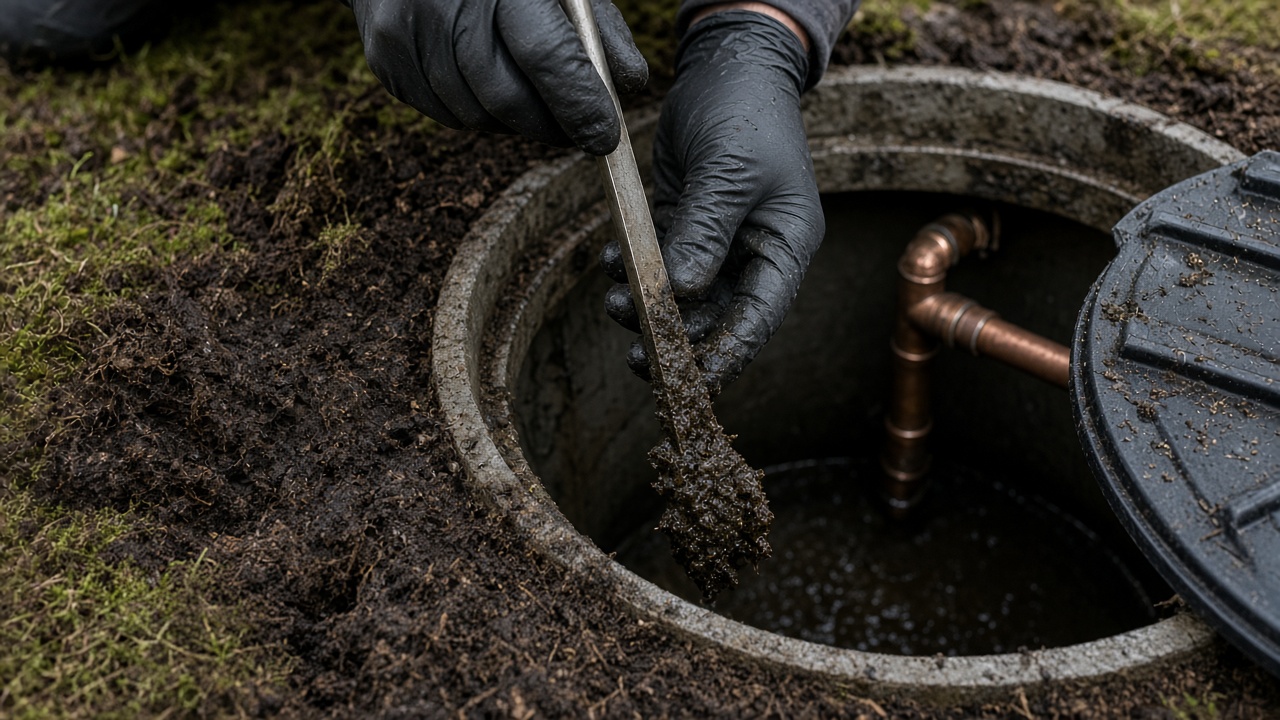
Expect the crew to locate lids, open access, and empty the working capacity of the tank to the bottom. Skimming liquid while leaving a thick sludge blanket is the failure mode Halifax homeowners warn each other about when they recommend companies that “actually clean.” With the tank open, baffles and tees can be checked for cracks or missing pieces. Backflow from the outlet side can hint that the field is struggling. Septage should go to an approved receiving facility, and you should leave with a receipt for property records.
- Locate inlet and outlet access — many tanks have two ports
- Open lids; dig only when risers are absent
- Pump sludge and scum, not liquid only
- Note filter condition and clean when present
- Haul to an approved site; keep the receipt
Access, digging, and risers
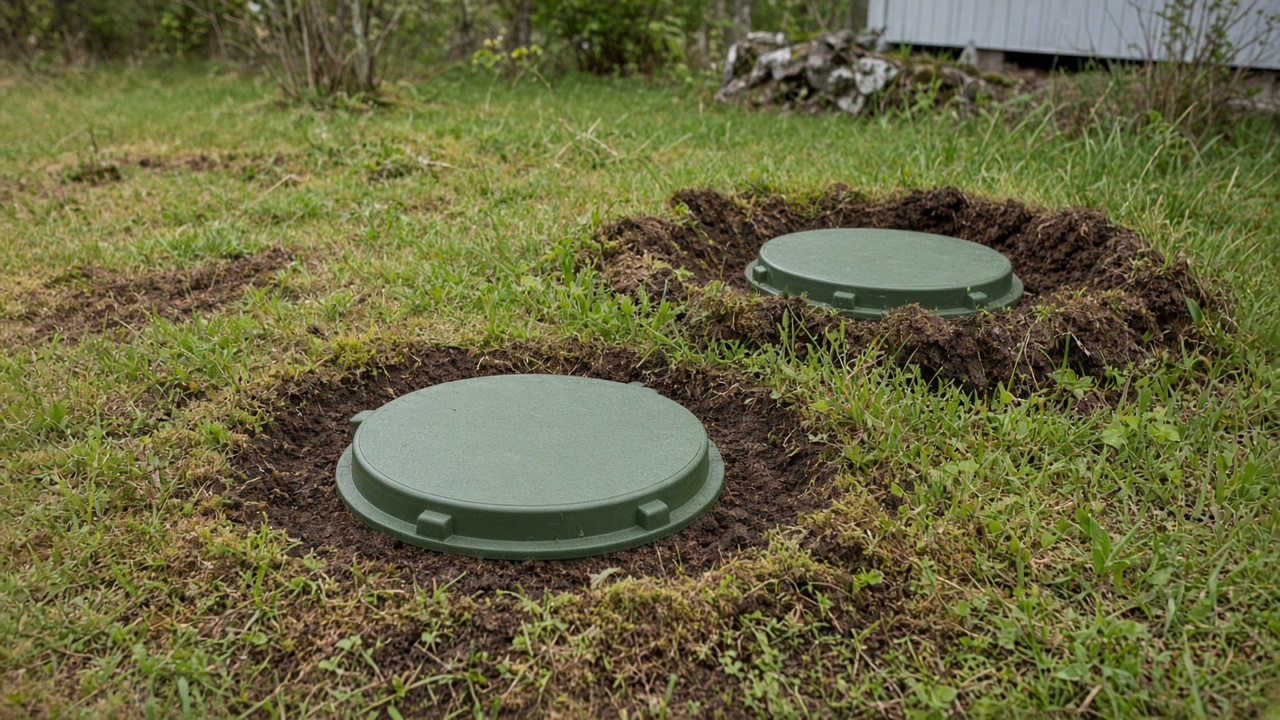
If lids sit at grade inside risers, pumping is faster and cheaper. Without risers, some digging to expose ports is normal — and pumping must not be done through a basement cleanout alone. Risers to grade are one of the highest-value add-ons for Nova Scotia winters and emergencies because frozen ground and deep snow make buried lids miserable. Competitors across HRM market riser installs for exactly that reason.
What affects a pump-out quote
Price depends on tank size, sludge hardness, dig or riser access, number of lids, haul distance to an approved disposal site, filter cleaning, travel, and after-hours timing. Local homeowners also cite disposal-site capacity as a cost driver. Neighbours sometimes book nearby tanks on the same day when routing allows. Compare itemized scopes—not headline cash quotes alone.
Prefer documented payment and a disposal receipt over unverified cash-only offers. Ask for a written quote that lists inclusions and exclusions for your property.

Holding tanks, cottages, and commercial empties
Holding tanks and seasonal cottages follow different fill rates than a year-round house. Commercial grease, treatment plants, and lift stations appear on mature competitor menus across HRM. Confirm capacity before assuming every truck does every specialty. For residential gravity systems, the core promise is still the same: empty before solids reach the field.
How to prepare before the truck arrives
Mark lids if you know them, unlock gates, restrain pets, and clear vehicles from the driveway path a vacuum truck needs. Note the last pump date, bedroom count, and any symptoms. If you have as-built drawings or a Certificate of Installation, keep them handy. Never enter a tank — gases are toxic.
Call (902) 999-9999 to confirm current booking windows for Halifax and surrounding areas.
Residential vs commercial and specialty empties
Most HRM calls are single-family gravity tanks. Holding tanks at cottages fill on a different clock and may need more frequent empties during peak season. Commercial kitchens, treatment plants, and lift stations appear on mature competitor menus from Fall River to the Eastern Shore. Specialty work can require different equipment, after-hours windows, and disposal paperwork. Do not assume a residential pump-out quote covers a grease-laden commercial tank.
Landlords should track occupancy changes. A three-bedroom house that suddenly sleeps seven short-term guests will fill sludge faster than the previous owner’s empty-nester rhythm. Put pump intervals in the property maintenance calendar the same way you track furnace service.
Filters, baffles, and why “clean” matters
Inlet baffles keep floating scum from short-circuiting; outlet baffles and filters keep solids out of the field. With the tank empty, missing or broken baffles become obvious. Halifax homeowners who praise thorough crews are often reacting to this moment — someone looked, someone explained, someone did not just pull liquid from the first lid and leave. If your tank has a cleanable effluent filter, ask for it to be rinsed during the pump-out and learn how to do interim cleans yourself every six to twelve months.
Never enter the tank. Gases can kill. Lid safety and locking risers matter when children or pets share the yard.
Seasonal timing in Nova Scotia
Winter pumping is usually possible, but frozen ground and buried lids raise cost and delay. Shoulder seasons — late spring after thaw, early fall before freeze — are kinder for routine work. If you already have risers at grade, winter emergencies are far less dramatic. If you do not, consider risers as a separate project after a successful pump-out while the lids are already located.
Storm weeks and long weekends create booking queues across HRM. Booking before the tank is in crisis is still the cheapest strategy, especially when disposal sites are constrained and truck schedules tighten.
Environmental and legal context for homeowners
Lot owners in Nova Scotia must keep their on-site systems functioning. Releases of untreated or partially treated sewage can trigger reporting duties. Hiring a certified Septic Tank Cleaner with approved disposal access is how ordinary maintenance stays on the right side of that duty. Your receipt is not bureaucracy for its own sake — it is evidence the load went somewhere legal.
New installs, major repairs, and field replacements follow notification and approval paths that differ from pumping. If a pump-out reveals a failed field, ask how to engage a qualified person or installer rather than accepting a vague promise that “we can fix anything.”
Questions to ask before you book
- Who holds the current Septic Tank Cleaner certificate?
- Is disposal included, and will I get a receipt?
- Does the quote assume risers or digging?
- Will filters and baffles be checked?
- What happens if the field is backing into the tank?
Write the answers down. Two months later, when a buyer’s lawyer asks for pump history, you will be glad you did.
HRM access realities: driveways, soft ground, and gates
Vacuum trucks need room. Soft spring shoulders on rural HRM roads, low tree limbs, locked gates, and cars parked nose-to-nose on narrow lots all change the job. Tell the dispatcher about shared driveways, septic lids under decks, and dogs that defend the side yard. The goal is a single trip that finishes cleanly, not a return visit because a hose could not reach.
If lids sit under a patio poured after the original install, say so early. Access work can become a separate conversation with a contractor. Pumping through improvisation is how corners get cut.
Aftercare in the first week
After a major empty, keep water use moderate for a day or two if the field was wet. Resume normal habits once drains behave. Clean the outlet filter if it was not serviced during the visit. Mark the calendar for the next interval based on what the technician observed. If odours or slow drains return within days, call back — that pattern can mean a field or baffle issue rather than a simple full tank.
Store the receipt with property papers the same day. Future you, standing in a lawyer’s office during a sale, will not remember the truck colour — only whether the paper exists.
Frequently asked questions
How do I know when my septic tank needs to be pumped?
Calendar interval plus sludge and scum measurement beats waiting for symptoms. Slow drains, odours, or a clogged outlet filter are late warnings — book before the field is damaged.
With only two people in the house, can I go longer than 3 years?
Smaller households often stretch toward the long end of 3 to 5 years, but filters still need cleaning and tanks still need periodic empty and inspection. Do not assume forever.
Do you have to dig up my lawn to pump?
Not if lids or risers are at grade. Without access, some digging to expose ports is normal; pumping should not be done through a basement cleanout alone. Risers prevent repeat digs.
Where is my septic tank usually located?
Typically buried near the house on the sewer line leaving the building; homeowners often locate the outlet pipe direction and probe carefully for lids. Keep as-built drawings with the deed when available.
What does a proper pump-out include?
Locate and open lids, remove sludge to the bottom, check what is visible such as baffles and filters, watch for field backflow, haul to an approved site, and leave a receipt.
Why have Halifax septic pump-out prices been rising?
Local posters link higher recent prices partly to disposal-site closures or constraints and general cost pressure. Always compare scope such as dig, lids, filter, and after-hours, not headline cash quotes alone.
Can neighbours book together for a discount?
Some homeowners report multi-home discounts when trucks can hit several nearby tanks; at least one local firm advertises group rates in directories. Ask when scheduling.
Should the outlet filter be cleaned when you pump?
Yes when a filter is present — it is the last defence keeping solids out of the field and often needs cleaning more often than full pump-outs, commonly every 6 to 12 months.
Do septic tanks last forever?
No — systems are temporary and lifespan depends on design, soil, use, and maintenance; regular pumping is among the cheapest ways to extend life.
What happens if I never pump?
Solids carry into the disposal field or raised bed and can clog soil; field repairs are far more expensive than timely pumping.